
Discover how boat trailer bunks transform storage and comfort, offering versatile sleeping spots while keeping gear secure. Learn why they’re essential for long trips, easy setup, and reliable safety for every mariner. Great trips. Enjoy!

1.1 What Is a Boat Trailer Bunk?
A boat trailer bunk is a built‑in sleeping platform that attaches to the side or rear of a trailer, providing a comfortable and secure place to rest while traveling with a vessel. Unlike temporary hammocks or makeshift beds, a properly designed bunk integrates with the trailer’s frame, using sturdy support beams and secure fasteners to withstand the motion of a moving boat. The bunk’s height is carefully calculated to allow easy entry and exit, while the mattress or foam pad offers a cushioned surface that absorbs vibration. Many models feature a removable or fold‑away design, enabling the user to convert the space into a cargo area when not in use. The primary purpose of a boat trailer bunk is to free up the trailer’s cargo space for gear, spare parts, or additional passengers, thereby maximizing the overall utility of the transport. Beyond convenience, a well‑constructed bunk enhances safety by keeping occupants off the floor, reducing the risk of slips or falls during transit. It also offers privacy and a personal retreat, allowing crew members to sleep comfortably after a long day on the water. In short, a boat trailer bunk is a practical, space‑saving solution that blends functionality with comfort for any boating adventure. It offers a secure sleeping solution crew!!!

1.2 Benefits of Using Bunks on Your Trailer
Installing a bunk on a boat trailer offers a multitude of advantages that enhance both travel comfort and logistical efficiency. First, it frees up valuable cargo space; instead of storing gear on the floor, you can keep equipment, spare parts, or personal items in a dedicated compartment, reducing clutter and improving load distribution. Second, a bunk provides a stable, elevated sleeping area that protects occupants from road vibrations and water splashes, leading to better rest and reduced fatigue during long trips. Third, the added height allows easy access to the trailer’s interior, making it simpler to load and unload supplies without bending or risking injury. Fourth, a well‑designed bunk can be folded or removed when not needed, offering flexibility for varying cargo volumes. Fifth, safety is improved because occupants are less likely to slip or fall onto the trailer floor while it’s in motion. Finally, a bunk can increase the overall resale value of the trailer, as buyers often seek trailers with built‑in amenities. Together, these benefits make a bunk an essential upgrade for serious boaters who value convenience, safety, and space optimization. Moreover, the integration of a bunk can streamline logistics, allowing crew members to transition between storage and rest, ensuring comfort.
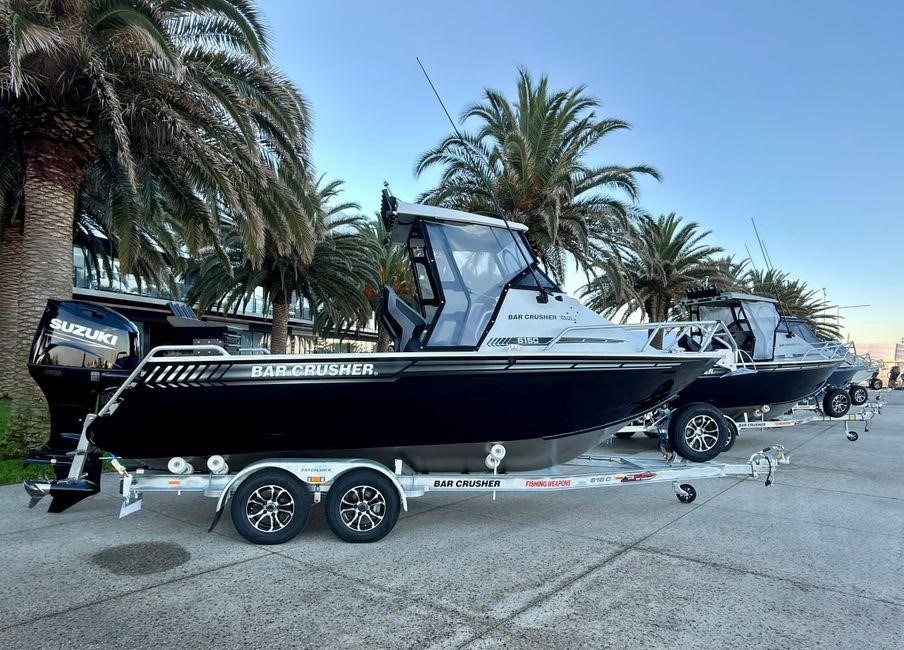
Types of Boat Trailer Bunks
Explore the main categories: fixed, folding, and custom bunks. Each type offers unique advantages—stability, space‑saving, or tailored fit—catering to different boating needs and trailer sizes. They enhance safety and storage. and comfort.!!

2.1 Fixed Bunks
Fixed bunks are permanently attached to the trailer’s frame, offering a robust and stable sleeping platform. They are typically built from high‑strength materials such as marine‑grade plywood, aluminum, or steel, ensuring durability under varying weather conditions. The design often includes a recessed area that protects the mattress from water splash and wind, while a built‑in rail system keeps the bed secure during transit. Fixed bunks can be customized with adjustable headrests, storage pockets, and ventilation slats, providing comfort for long voyages. Installation requires precise measurements and secure fastening to the trailer’s chassis, often using heavy‑duty bolts and locking mechanisms. Because they remain in place, maintenance is minimal; routine inspections for rust or loose fittings keep the structure safe. For seasoned boaters who prioritize a permanent, low‑maintenance solution, fixed bunks deliver reliability and peace of mind on every trip.
Adding a fixed bunk enhances your trailer’s utility by freeing up floor space for gear, improving weight distribution, and providing a secure sleeping area This setup is ideal for long trips and keeps gear dry for safety now
2.2 Folding Bunks
Folding bunks offer a versatile solution for boat trailers that require space efficiency. Constructed from lightweight aluminum frames or reinforced composite panels, they fold flat against the trailer’s sidewalls when not in use, freeing up valuable deck area for gear or additional passengers. The bed surface is typically a removable mattress or foam pad that can be stored in a dedicated compartment, ensuring it stays dry and protected from the elements. Installation involves mounting a hinge system that locks the bunk in place during travel, while a secure latch prevents accidental collapse. Users appreciate the quick setup and takedown, allowing them to convert the trailer from a storage unit to a comfortable sleeping area within minutes. Folding bunks are ideal for seasonal use, short trips, or when storage space is at a premium, and they maintain the trailer’s structural integrity with minimal added weight.
With folding bunks, you can transform your trailer from a cargo hold into a cozy sleeping nook in minutes, making every trip more enjoyable. The lightweight frame keeps the trailer’s weight low, while the secure latch system ensures safety on rough seas. Enjoy safe nights on water!!
2.3 Custom Bunk Solutions
Custom bunk solutions allow owners to tailor bed dimensions, materials, and storage to match trailer size and usage. By selecting high‑strength aluminum or marine‑grade plywood, builders can create frames that fit irregular spaces, such as curved sidewalls or uneven cargo areas. Adjustable bed heights, integrated lock‑out brackets, and removable mattress trays enable quick conversion between sleeping and storage modes. Designers can incorporate built‑in shelving, hook systems, or fold‑away benches to maximize utility. The use of moisture‑resistant foam and breathable covers protects occupants from dampness while providing comfort. Customization also extends to aesthetic choices—finishes, paint colors, and trim details—ensuring the bunk blends seamlessly with the trailer’s overall look. This approach is especially valuable for long‑haul trips, where space is limited and comfort is paramount. By investing in a bespoke solution, users gain a durable, functional, and visually cohesive sleeping area that adapts to their specific travel needs.
These custom bunks adapt to your trailer’s shape, integrate built‑in lockable drawers, and feature weather‑proof panels, tidy sleeping area secure..!

Materials and Construction
Choose durable frames—aluminum resists corrosion, wood offers warmth. Use moisture‑proof foam, breathable covers, and secure fasteners for longevity and comfort on every trip Safe, restful nights. Enjoy.

3.1 Wood vs Metal Frames
When selecting a frame for a boat trailer bunk, the choice between wood and metal hinges on durability, weight, and maintenance. Wood frames, typically made from cedar, pine, or hardwood, provide natural insulation, a warm aesthetic, and ease of customization. They can be stained or painted to match the trailer’s finish, and their grain offers a subtle, classic look. However, wood is susceptible to moisture, rot, and insect damage if not properly sealed, especially in humid marine environments. Metal frames, usually aluminum or steel, excel in strength and longevity. Aluminum is lightweight, corrosion‑resistant, and requires minimal upkeep, making it ideal for frequent use and harsh weather. Steel offers superior load capacity but can add weight and may need protective coatings to prevent rust. In terms of installation, wood is generally easier to cut and assemble on site, while metal may require specialized tools and welding for a secure fit. Ultimately, the decision hinges on the user’s priorities: a lighter, low‑maintenance metal frame for rugged conditions, or a warm, customizable wood frame for a more traditional feel. Enjoy a comfortable, safe, and efficient sleeping arrangement on voyage now
Choosing the right mattress and bedding for a boat trailer bunk is crucial for comfort, durability, and weight management. Foam mattresses—especially high‑density polyurethane or memory‑foam—offer excellent pressure relief and are lightweight, making them ideal for trailers. Innerspring models provide a firmer feel and better airflow, but they are heavier and can compress over time. Hybrid mattresses combine foam layers with a coil support system, delivering a balanced feel while keeping weight moderate. When selecting a mattress, consider the bunk’s dimensions, the trailer’s weight limit, and the expected use—short trips may tolerate a thinner mattress, while long voyages benefit from a thicker, supportive option. Bedding choices should complement the mattress: waterproof mattress covers protect against spills and moisture, while breathable fabrics prevent heat buildup. Layering with a lightweight, moisture‑wicking fabric, a padded blanket, and a pillow that fits the bunk’s height ensures a restful sleep. For added comfort, a pillow or a foam wedge can help maintain proper neck alignment. With the right combination of mattress and bedding, your trailer bunk becomes a reliable, cozy retreat for any boating adventure. …!

Safety Considerations
Secure your bunk with heavy‑duty straps, lockable brackets, and a reinforced frame Ensure weight is evenly distributed, use wheel chocks, and check for loose fasteners before each trip. Proper anchoring prevents tipping during motionsecure straps!
4.1 Secure Fastening Methods
Proper fastening is the backbone of any boat trailer bunk. Start by selecting high‑strength bolts rated for the trailer’s load capacity, and use lock washers to prevent loosening from vibration. Attach the bunk frame to the trailer bed with a minimum of four anchor points, spaced evenly along the length and width. For added security, incorporate a cross‑brace that connects the bunk’s top rails to the trailer’s side rails, distributing forces during turns. Use heavy‑duty cable ties or ratchet straps around the bunk’s perimeter, tightening them to the manufacturer’s recommended torque. After installation, perform a load test by placing a weighted dummy load on the bunk and driving a short distance to ensure no movement occurs. Regularly inspect all fasteners for corrosion or wear, and replace any compromised components immediately. A disciplined maintenance routine keeps the bunk stable, protecting both occupants and gear from the harsh marine environment. By adhering to these fastening protocols, you ensure that the bunk remains secure throughout the journey, giving peace of mind to both crew and cargo. Regular checks at each stop will catch any loosening before it becomes a hazard Stay safe
4.2 Weight Distribution and Stability
Ensuring optimal weight distribution is critical for both safety and comfort when using a boat trailer bunk. Begin by placing the bunk’s center of gravity close to the trailer’s geometric center as possible. Distribute gear evenly across the bunk’s length; heavy items such as batteries or tools should be positioned near the rear or front edges, depending on the trailer’s mounting points, to balance the load. Use weighted footrests or sandbags to anchor the bunk’s lower frame, preventing it from shifting upward when occupants move. Keep the bunk’s top rail level by installing adjustable cross‑braces that can be tightened or loosened as needed. When loading the trailer, always follow the manufacturer’s weight limits and avoid stacking cargo directly above the bunk to prevent excessive vertical load. Conduct a quick stability test by gently rocking the bunk; any noticeable wobble indicates a need to re‑balance or add additional support. Regularly inspect the suspension system and shock absorbers, as worn components can compromise stability. Finally, double‑check that all fasteners remain tight after each and keep a maintenance log to track any changes in weight or balance.

Installation Process
Measure the trailer bed, mark bunk placement, secure mounting brackets, attach frame to frame, install floor panels, add bedding, test stability, tighten all bolts, and perform a final safety check before use. Ensure bolts are torqued.
5.1 Measuring and Planning
Begin by selecting a suitable trailer bed that can accommodate a bunk without compromising cargo space. Measure the length, width, and height of the bed, noting any existing fixtures or uneven surfaces. Mark the desired bunk location with chalk or a tape measure, ensuring it is centered to maintain balance. Calculate the exact dimensions required for the bunk frame, including clearance for wheels and tie‑down points. Draft a detailed plan that outlines the mounting points, bolt sizes, and the sequence of assembly. Verify that the chosen frame material can support the expected load, and consider using a double‑layered plywood base to distribute weight evenly. Once the plan is finalized, gather all necessary tools—impact driver, torque wrench, level, and measuring tape—and pre‑drill holes to avoid splitting the frame; This preparatory phase sets the foundation for a secure, stable, and comfortable bunk installation that will endure repeated use on the road and at sea. All measurements should be double‑checked with a meter carefully to guarantee precision and avoid mistakes. Finally, lock each bunk to secure bedding during transit, ensuring peace of mind for driver and all passengers.! Be safe! Enjoy safe travels!! Safe!!!
5.2 Step-by-Step Installation Guide
Step 1: Position the frame on the trailer bed, aligning the pre‑marked mounting points. Use a spirit level to confirm horizontal placement. Step 2: Pre‑drill holes through the frame into the trailer’s deck, matching the bolt pattern. Step 3: Secure the frame with lag bolts, tightening sequentially in a criss‑cross pattern to distribute load evenly. Step 4: Install the mattress support, ensuring it sits flush against the frame. Step 5: Add bedding and a mattress, then secure with straps or a weighted anchor to prevent movement during transit. Step 6: Perform a final torque check, tightening all fasteners to manufacturer specifications. Step 7: Test the bunk by simulating weight distribution; adjust as needed. Follow these steps to achieve a stable, comfortable bunk that enhances safety and convenience on every trip.
Before finalizing, double‑check all bolts for torque specifications, and ensure no loose edges. Test the bunk by placing a weighted load to simulate a passenger, then drive a short distance to observe any movement. Adjust straps or add additional brackets if needed. Finally, secure a mattress topper or foam pad for added comfort during long drives.Drive safely!!!

Maintenance and Longevity
Regular cleaning, inspect bolts, replace worn foam, protect wood with sealant, and check for rust. Store with a moisture absorber, avoid direct sunlight, and perform annual torque checks to ensure lasting durability. Tighten bolts yearly now
6.1 Cleaning and Upkeep
Regular cleaning is essential to preserve the appearance and structural integrity of a boat trailer bunk. Begin by removing all bedding, pillows, and any loose items. Use a soft brush or vacuum to eliminate dust and debris from the frame and mattress. For wooden surfaces, rinse dry with a microfiber towel to prevent moisture. Metal components should be inspected for corrosion; a light coat of marine‑grade paint or a rust‑inhibitor primer will extend their life. Foam mattresses benefit from a gentle vacuum and a specialized foam cleaner; avoid harsh chemicals that can degrade the material. After cleaning, allow all parts to air dry completely before reassembling. Apply a protective sealant to wood, and a silicone spray to rubber seals to maintain flexibility. Store the bunk in a dry, shaded area when not in use, and periodically check fasteners for tightness, tightening any loose bolts with a torque wrench. By following these steps, you can ensure that your boat trailer bunk remains comfortable, safe, and visually appealing for many seasons of use. Keep the bunk dry and inspect annually for wear. and check seals.!! Enjoy!!! Remember to store the bunk in a dry, shaded area to protect it from the elements and extend its lifespan.!!!!!
6.2 Troubleshooting Common Issues
Common problems include loose bolts, sagging mattresses, rust spots, and uneven weight distribution. First, inspect every fastener; tighten with a torque wrench to the manufacturer’s spec. For a sagging bed, add a plywood or aluminum spacer beneath the mattress to redistribute load. Rust on metal frames can be removed with a wire brush, followed by a rust converter and a fresh coat of marine paint. Water intrusion often shows as damp patches; replace any damaged foam or bedding and seal the frame with a waterproof sealant. Uneven weight can cause the trailer to tilt; adjust the load by moving gear to the center and using wheel chocks during parking. If the mattress feels too firm, insert a foam topper or a mattress pad to improve comfort. Finally, schedule a yearly inspection of all structural components, checking for cracks, warping, or corrosion, and replace parts as needed to maintain safety and longevity. When the bunk shows signs of wear, replace the mattress support board with a new plywood panel. Check for loose screws every time you load the trailer. Use a marine‑grade sealant on all seams to prevent water seepage. Store bedding in a dry, ventilated area to keep it moldfree!